Banff
Location: Alberta
Established: 1885
Banff National Park
Established after railway workers stumbled onto a thermal hot spring, Banff became Canada’s first national park in 1885. The park consists of a little more than 2,500 square miles of breathtaking scenery of glaciers, forest, lakes, valleys, rivers, snowcapped mountain peaks, and the bluest lakes on the planet. Here are a few of the must-see highlights.
Bow Falls
Easily accessible by car or, if you are staying at the Fairmont Banff Springs, a quick walk, Bow Falls is a wide and short waterfall that is formed by the Bow River flowing over the limestone bedrock between Mount Rundle and Tunnel Mountain.
Tunnel Mountain Drive
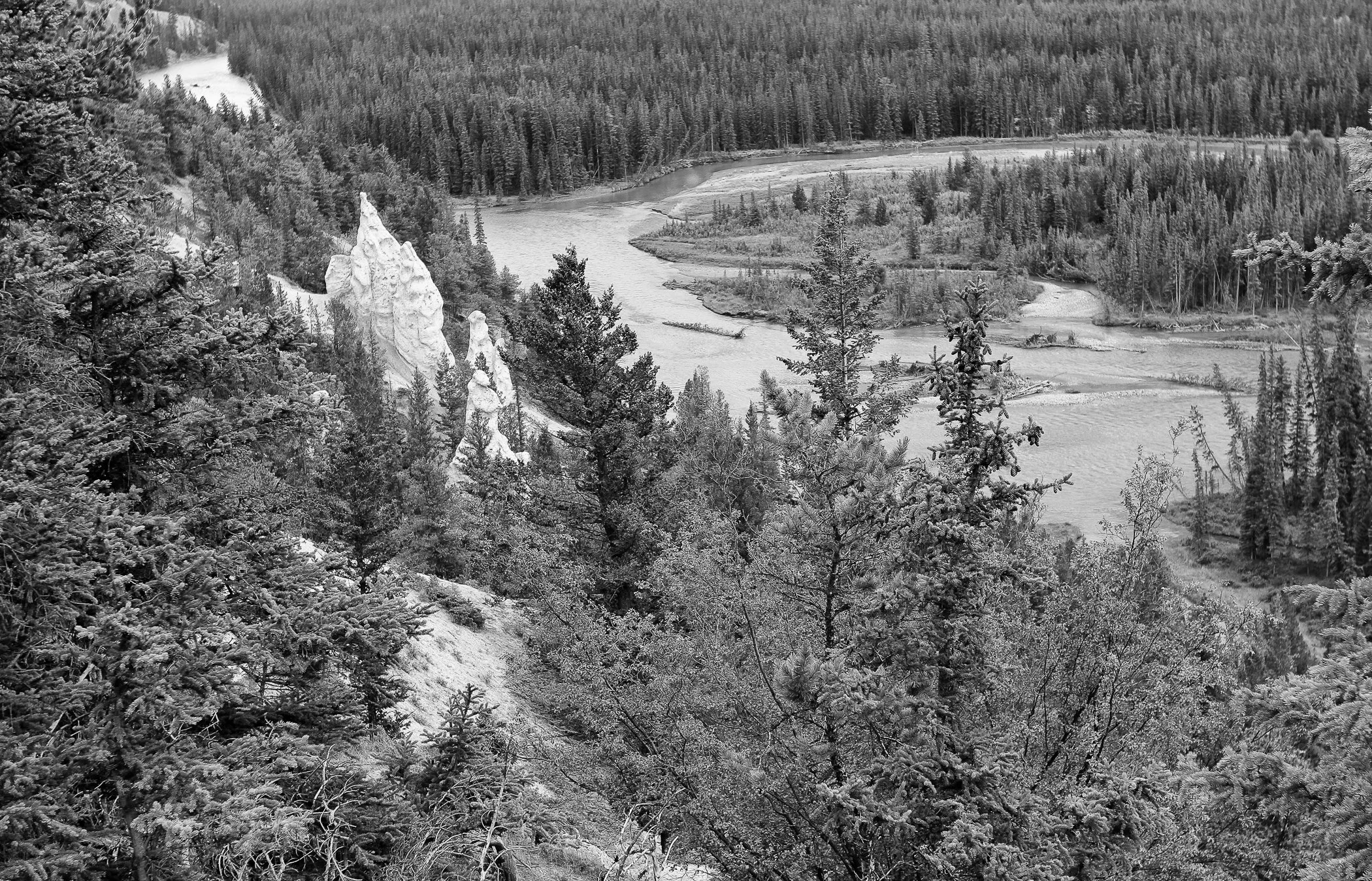
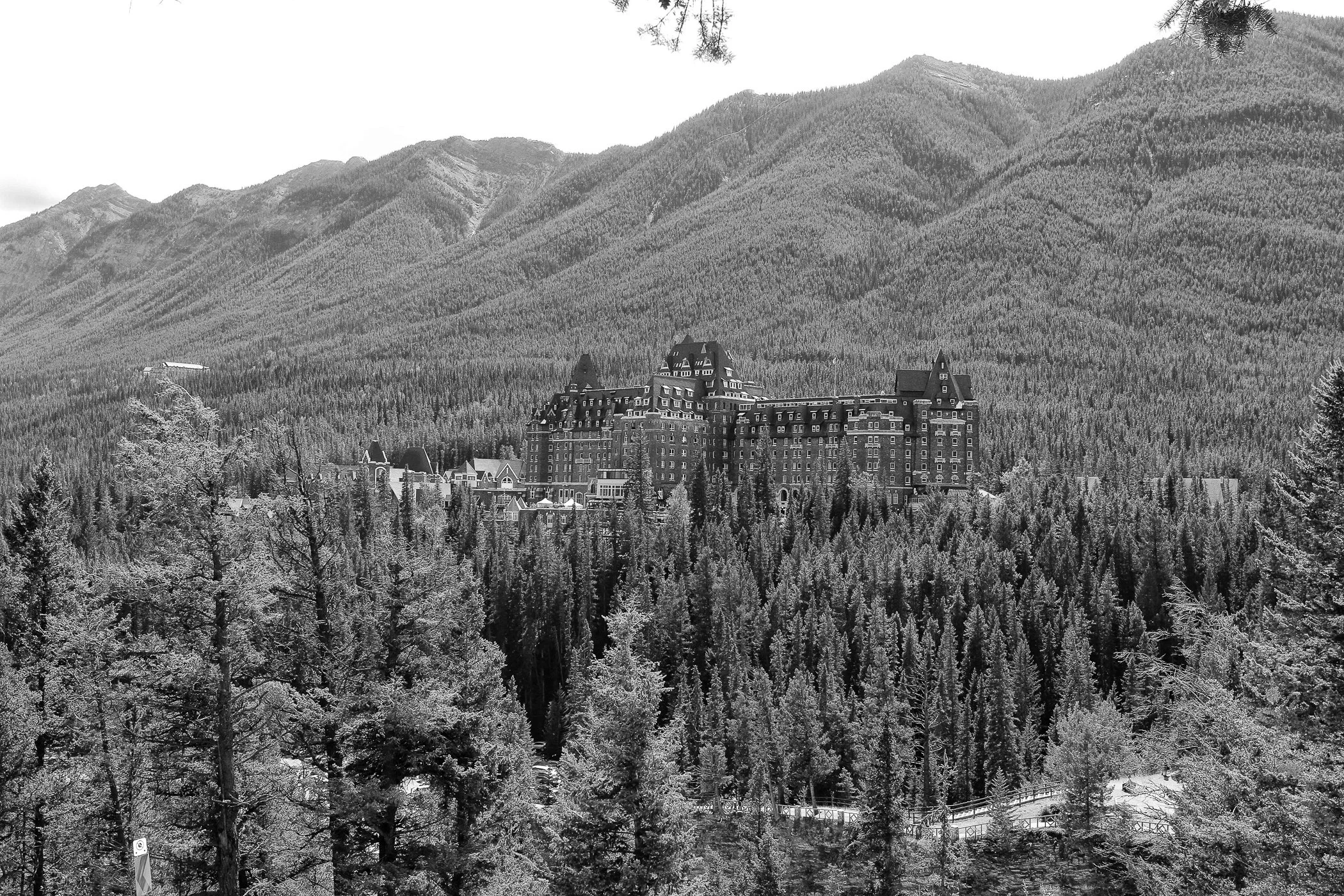
Tunnel Mountain Drive is a scenic drive that takes you to the Surprise Corner Viewpoint, offering a spectacular view of the “Castle of the Rockies” (the Fairmont Banff Springs hotel), another viewpoint that lets you take in the beauty of the town of Banff, and a short hike to the Hoodoos Viewpoint, a great vantage point to take in the Hoodoos, hauntingly beautiful rock formations set against the backdrop of Mount Rundle with the Bow River below.
Additional highlights of Banff National Park are the beautiful glacier-fed lakes.
Lake Louise
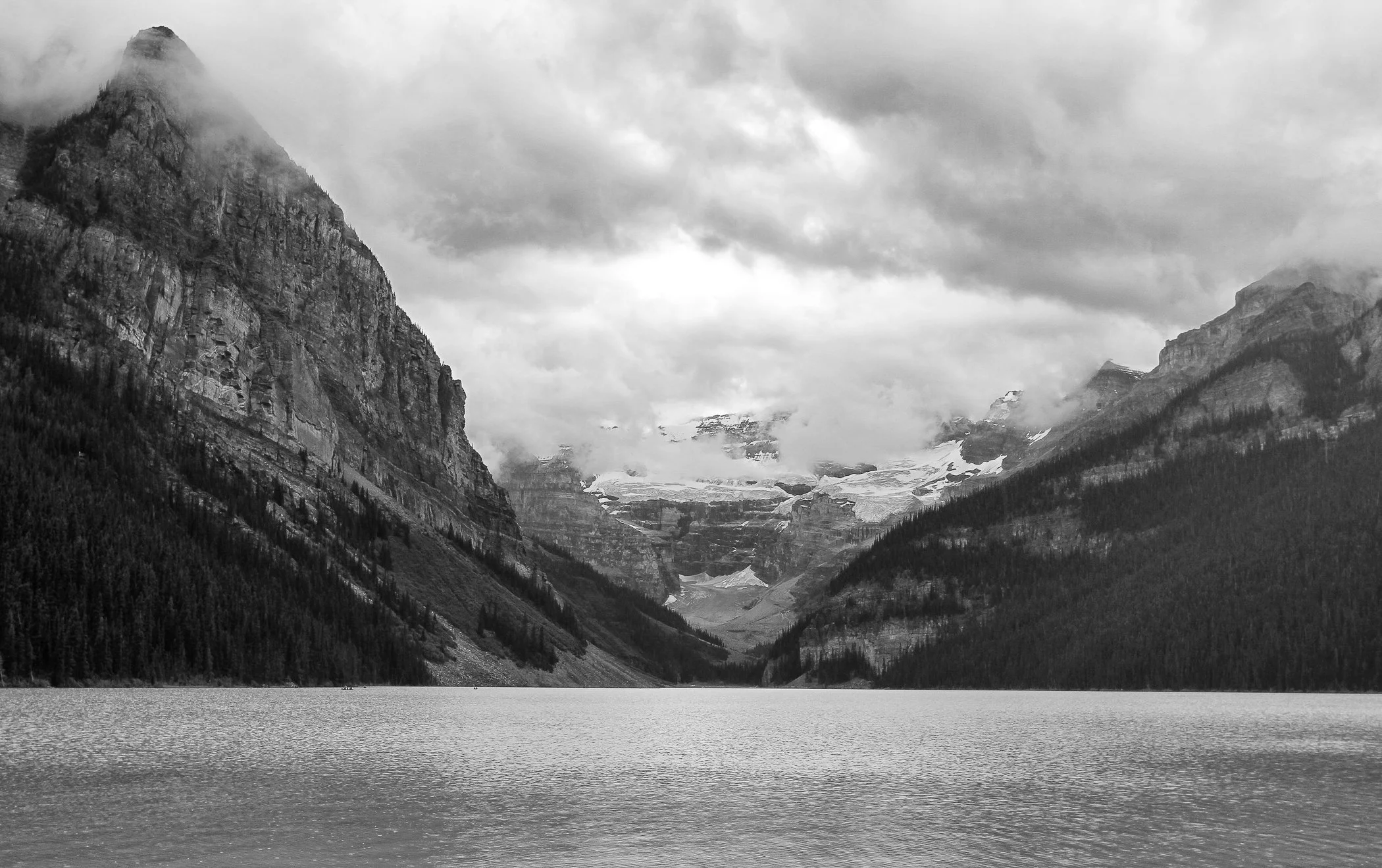
Located in the middle of the park and surrounded by snowcapped peaks, Lake Louise is famed for its turquoise lake backdropped by Mount Victoria and Mount Victoria glacier.
Moraine Lake
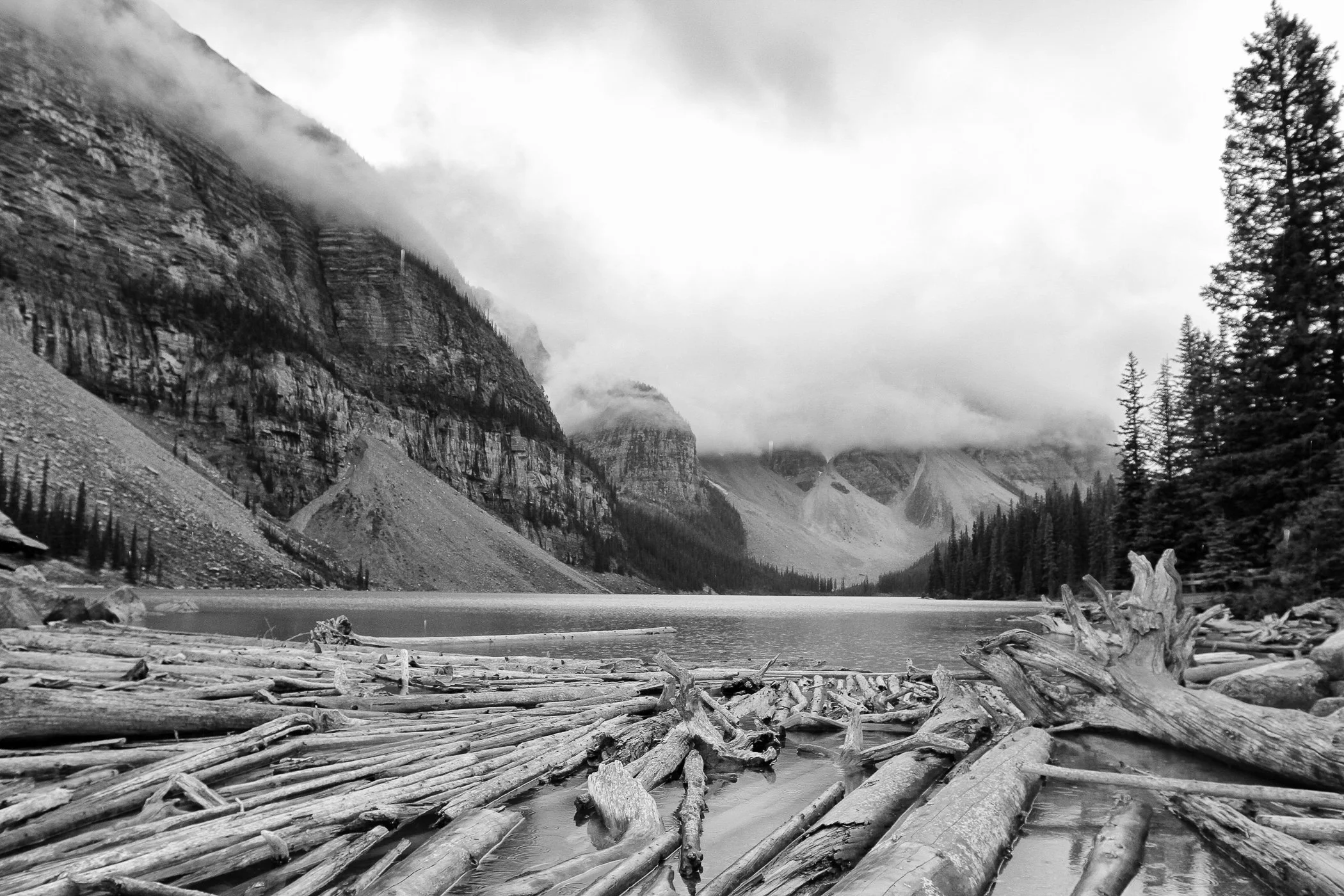
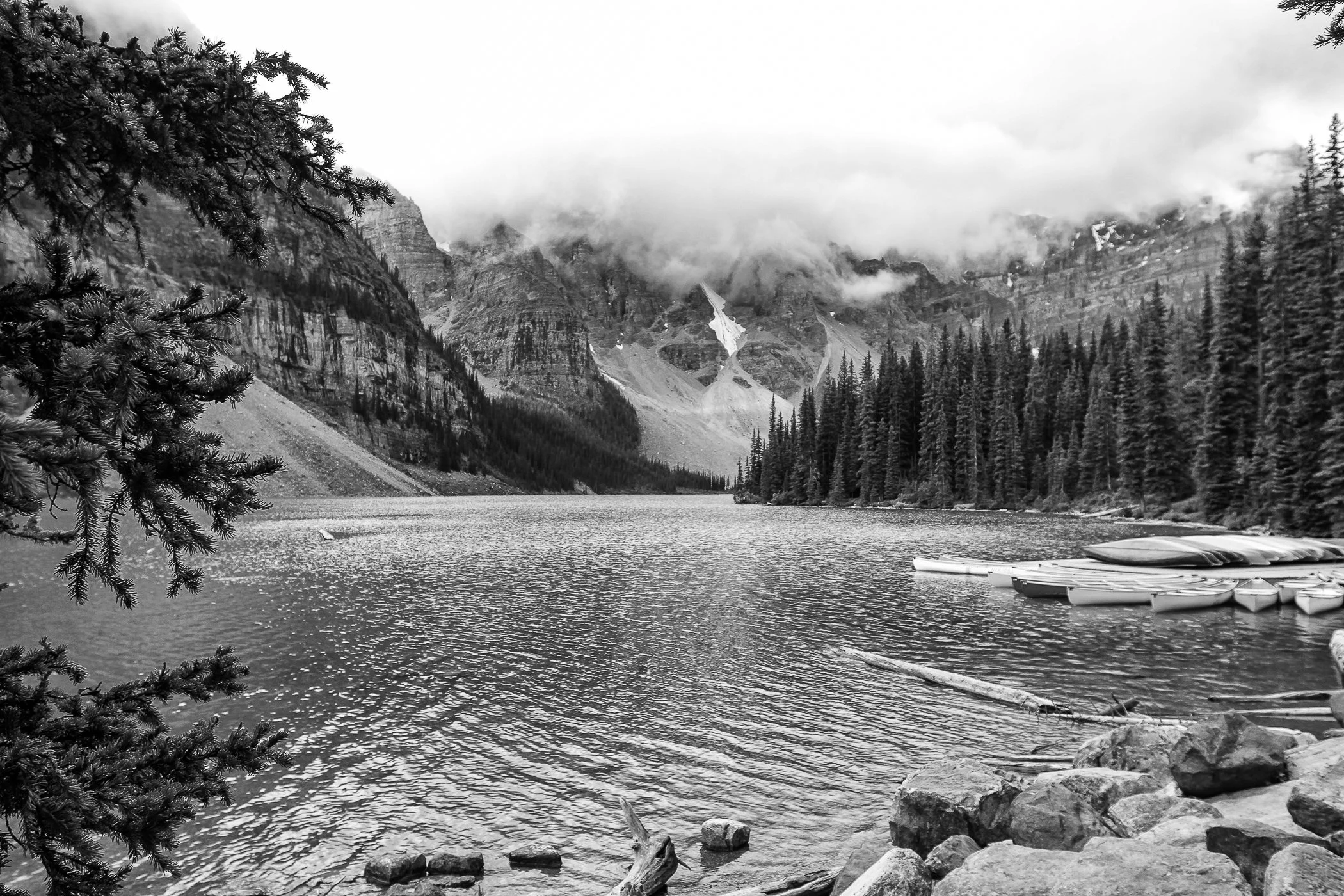
A twenty minute scenic drive from Lake Louise, Moraine Lake is another brilliantly beautiful lake lined by the towering mountains known as the Valley of The Ten Peaks.
Lake Minnewanka
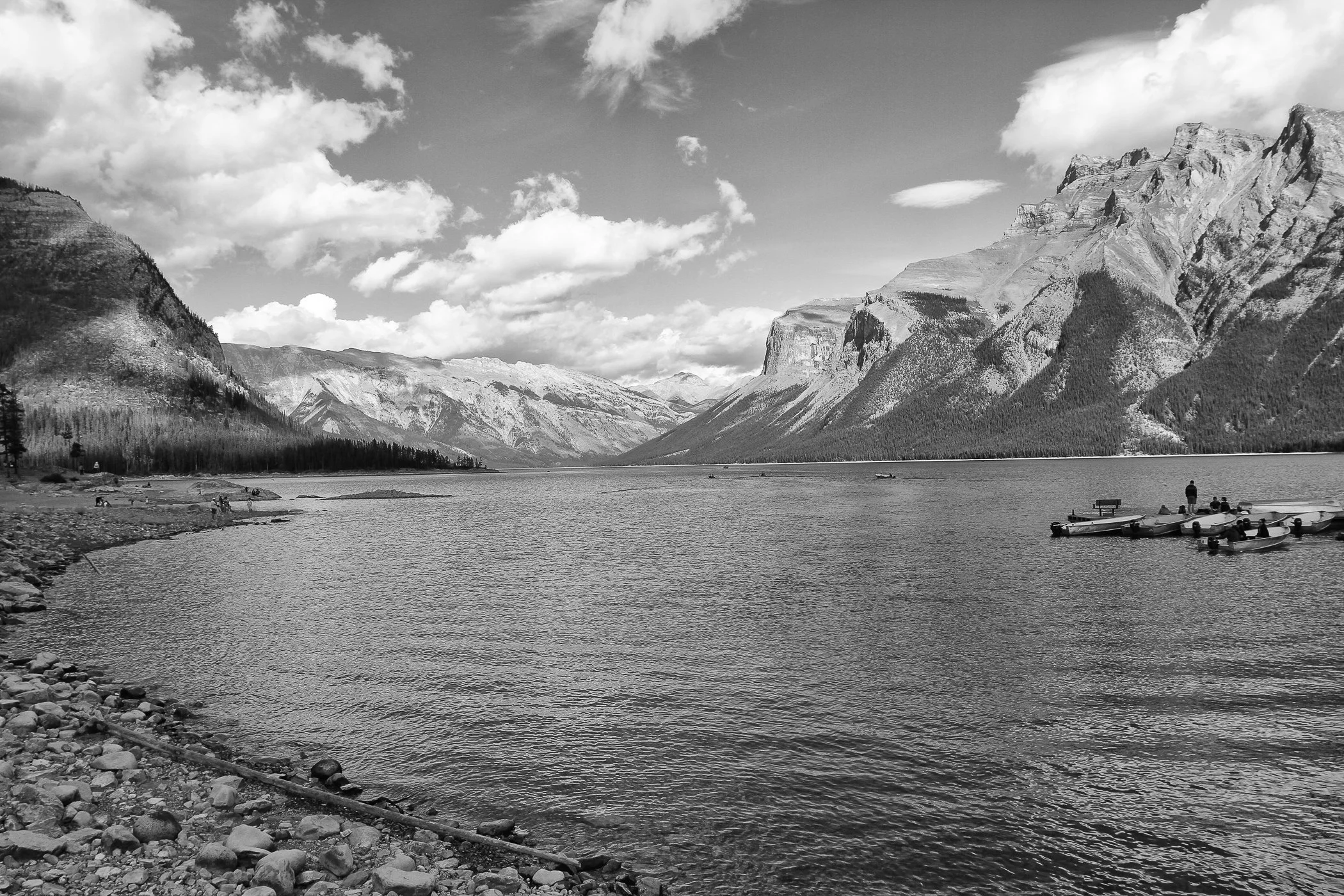
Lake Minnewanka was originally a series of lakes that became the largest lake within the park when the waters were raised by Hydro dams. You can explore the area on foot before taking a scenic drive along the Lake Minnewanka Loop, a picturesque route that takes you past Two Jack Lake, campsites and picnic areas before returning back to downtown Banff.